
One way to ensure your vacation goes smoothly is to be prepared for anything — including illnesses, weather and hotel evacuations. Minor injuries and ailments are another risk. That's why we recommend taking a portable first-aid everywhere you go.
If you get sick or hurt while abroad, having the right remedies on hand can save you the hassle of searching for a drugstore in a foreign place — and, in some cases, even save your life.
Here are some basic items to pack in your travel first-aid kit so you'll never be caught off-guard.
Allergy treatments
Travelers with severe allergies are probably accustomed to packing prescription antihistamines or an Epi-Pen wherever they go. But even if this isn't you, you never know when you may encounter a new type of pollen or get a bad reaction to an insect bite while traveling. Or, like me, you might learn the hard way that you're allergic to a new brand of sunscreen on the first day of your beach vacation (yikes).
Ever since that experience, I always bring a supply of over-the-counter allergy pills and antihistamine eye drops, plus anti-itch cream for heat rashes, bug bites and the like.
Basic wound care supplies
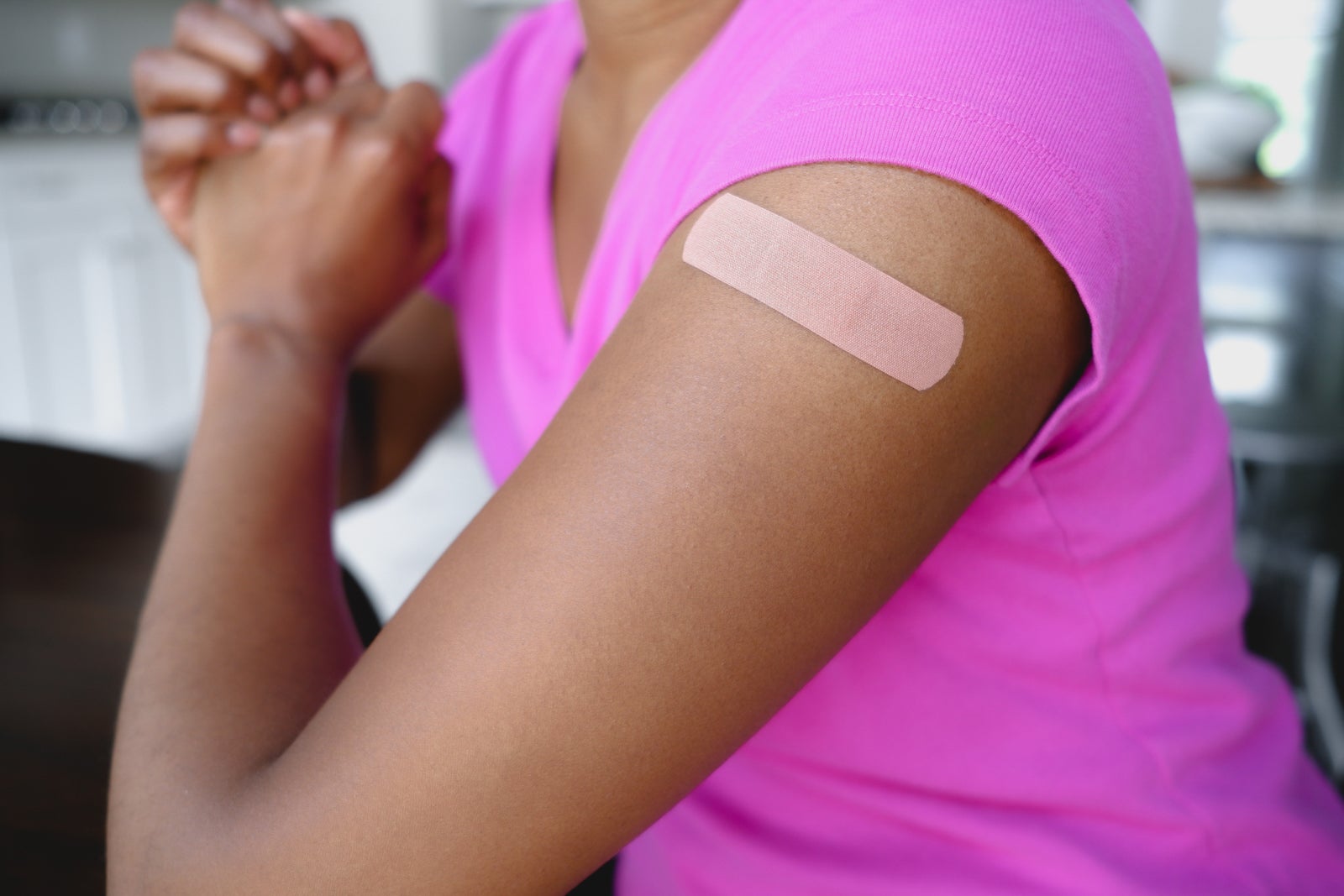
Band-Aids, Steri-Strips, butterfly bandages and hydrocolloid plasters can come in handy for minor cuts and scrapes. I keep an emergency supply in my carry-on, and rarely a trip goes by that I don't break into it, whether for a passport paper cut or hiking-induced blisters.
Not only will the right bandage make you a lot more comfortable (so you can actually enjoy your trip), it can also help prevent infection (so you won't end up spending your vacation in an emergency room).
Before applying any bandage, be sure to clean the wound first. Liquids like rubbing alcohol antiseptic sprays could be tricky to get through airport security, so go for antiseptic wipes instead.
Hemostatic gauze or emergency trauma dressing
If you or a traveling companion suffer a more severe injury and are bleeding significantly — especially if you're out in the wilderness — one of these could buy you time while help arrives.
Hemostatic gauze is treated with chemicals that encourage blood coagulation, or clotting. Instead of placing it over a wound, pack it tightly inside the wound and apply firm pressure.
Meanwhile, an emergency trauma dressing, also known as an Israeli bandage, has a locking bar to apply 40 pounds of pressure. Just make sure you read the instructions and understand how to use it properly before adding it to your first-aid kit.
Hydration packs
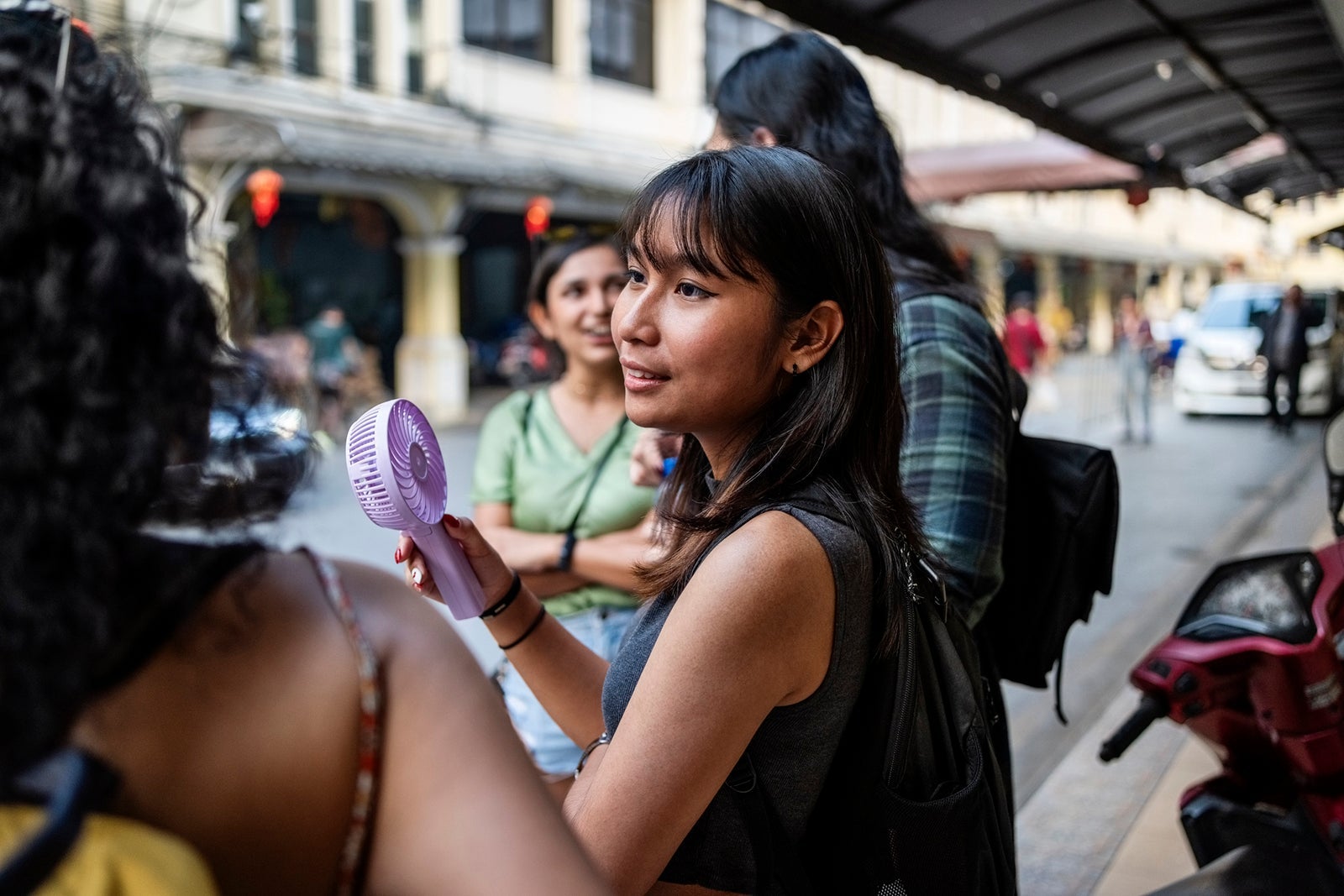
Dehydration can strike anywhere, whether you're sightseeing during a heat wave or suffering through a long-distance flight in economy.
Many TPGers swear by electrolyte powders to combat dehydration. Simply pour one into a water bottle and shake thoroughly, and it will go a long way in keeping you feeling your best.
The right tools
Tweezers are essential if you get a splinter. In more serious scenarios, a pair of trauma shears or a multitool can come in clutch when you need to remove clothing fast. And it's never a bad idea to carry an emergency glass-breaking tool.
These shears have a built-in strap cutter, glass breaker and oxygen tank wrench, and this multi-tool offers everything from tweezers to scissors to a magnifying glass.
Flashlight

Not only can a good flashlight help you assess and treat after-dark injuries, it can also light your path to help you avoid tripping and hurting yourself in the first place. Plus, a bright, long-distance light will make you easier to locate when you're calling for help, and you can even use it to signal SOS in Morse code.
This pocket-sized option is under four inches long with a beam that can reach over 200 feet, and it's USB rechargeable.
Sunscreen and aloe vera

Sunscreen isn't just for long beach days and high-altitude hikes. Sometimes, the worst burns happen to travelers who didn't apply sunscreen because they thought they weren't at risk while, say, casually strolling around a city.
It's always a good idea to pack some aloe vera gel to soothe any burns — but your best bet is to stop the burns before they start, so pack sun protection wherever you go. I keep a small Cadence capsule of sunscreen in my travel purse so I can easily reapply it to my face and shoulders while I'm out sightseeing.
Instant ice packs
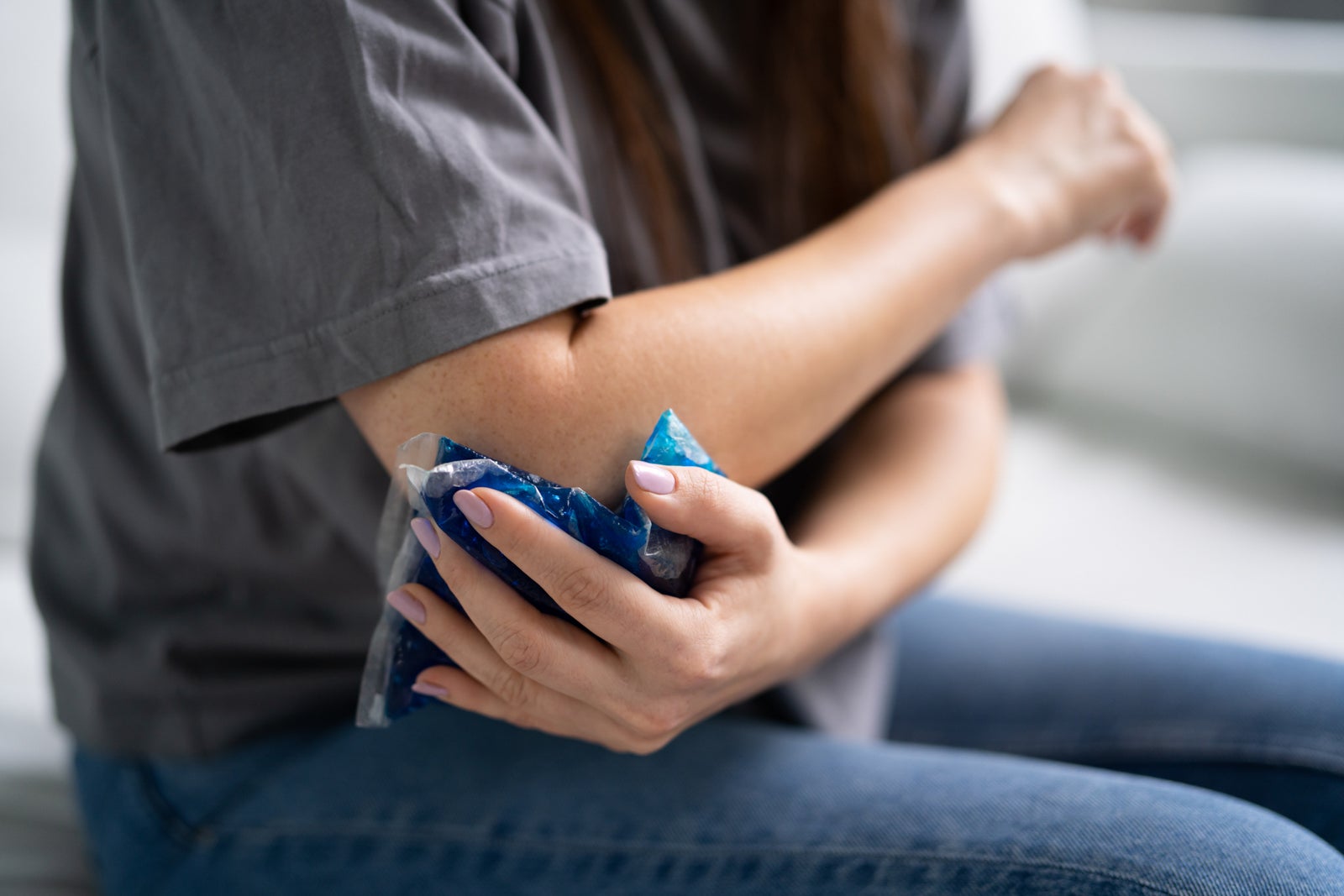
Ice packs are handy for everyday aches and pains, sports injuries and burns. The single-use chemical variety is activated by pressing or squeezing, which sets off an endothermic reaction to provide you with instant cooling relief — no freezer required.
Many instant ice packs contain TSA-regulated ammonium nitrate. You can still pack them in your carry-on or checked bag, as long as the capacity of each container and overall quantity you're bringing do not exceed TSA limits.
Over-the-counter medicines
Some everyday ailments are even more common when we travel — like viruses caught on airplanes, motion sickness from boat rides or upset stomachs caused by overindulging in a new destination. Plus, some countries regulate common remedies, making it impossible to get your hands on them without a prescription.
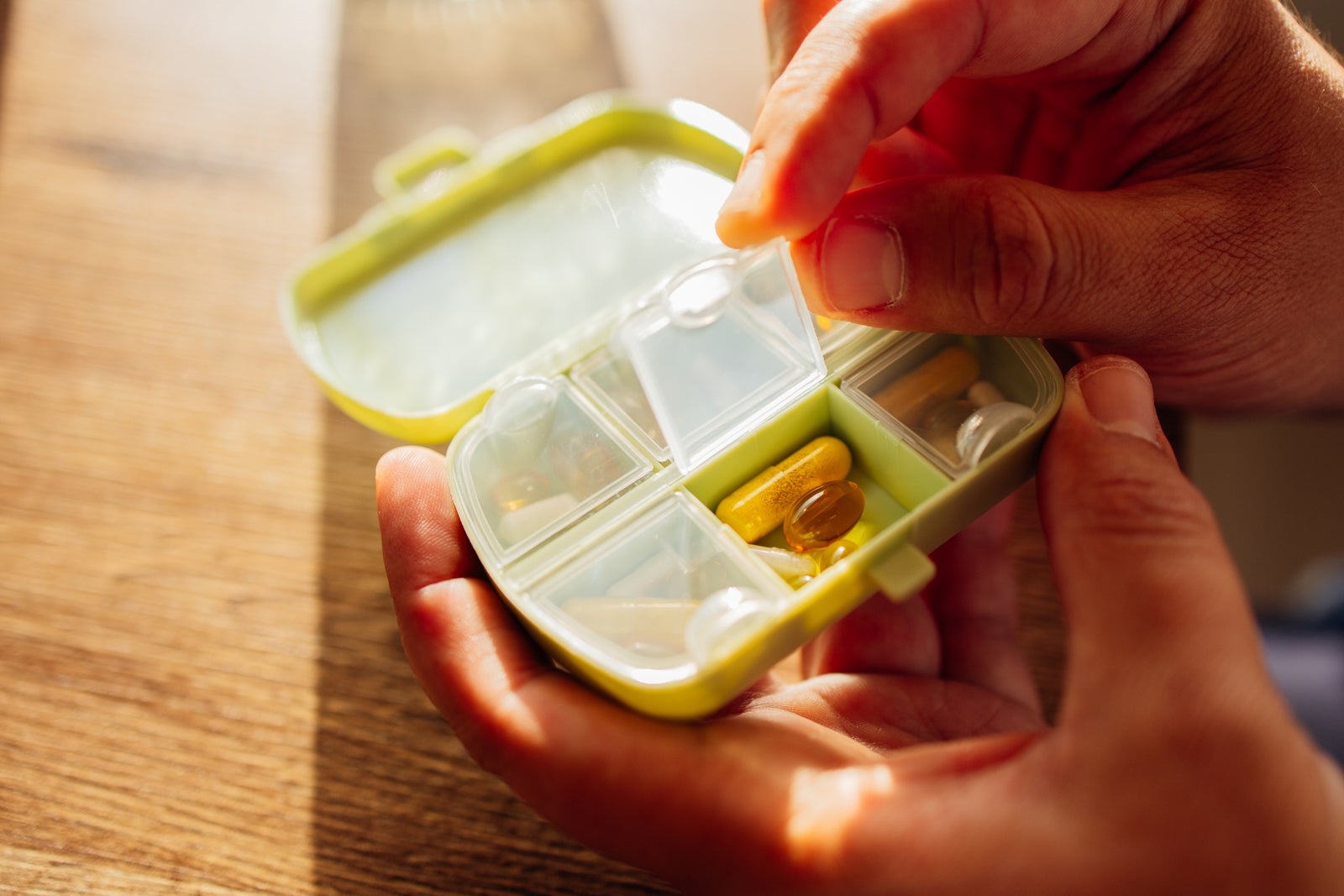
I always pack a travel-sized quantity of over-the-counter painkillers, stomach settlers and sleep aids in case the need arises. I use a pill container to keep them all in one place and avoid the chaos of half a dozen bottles or plastic baggies rattling around in my suitcase.
Before zipping up your first-aid kit, check out our guide to traveling with medicine to make sure you aren't packing something that isn't allowed in your destination.
Defibrillator
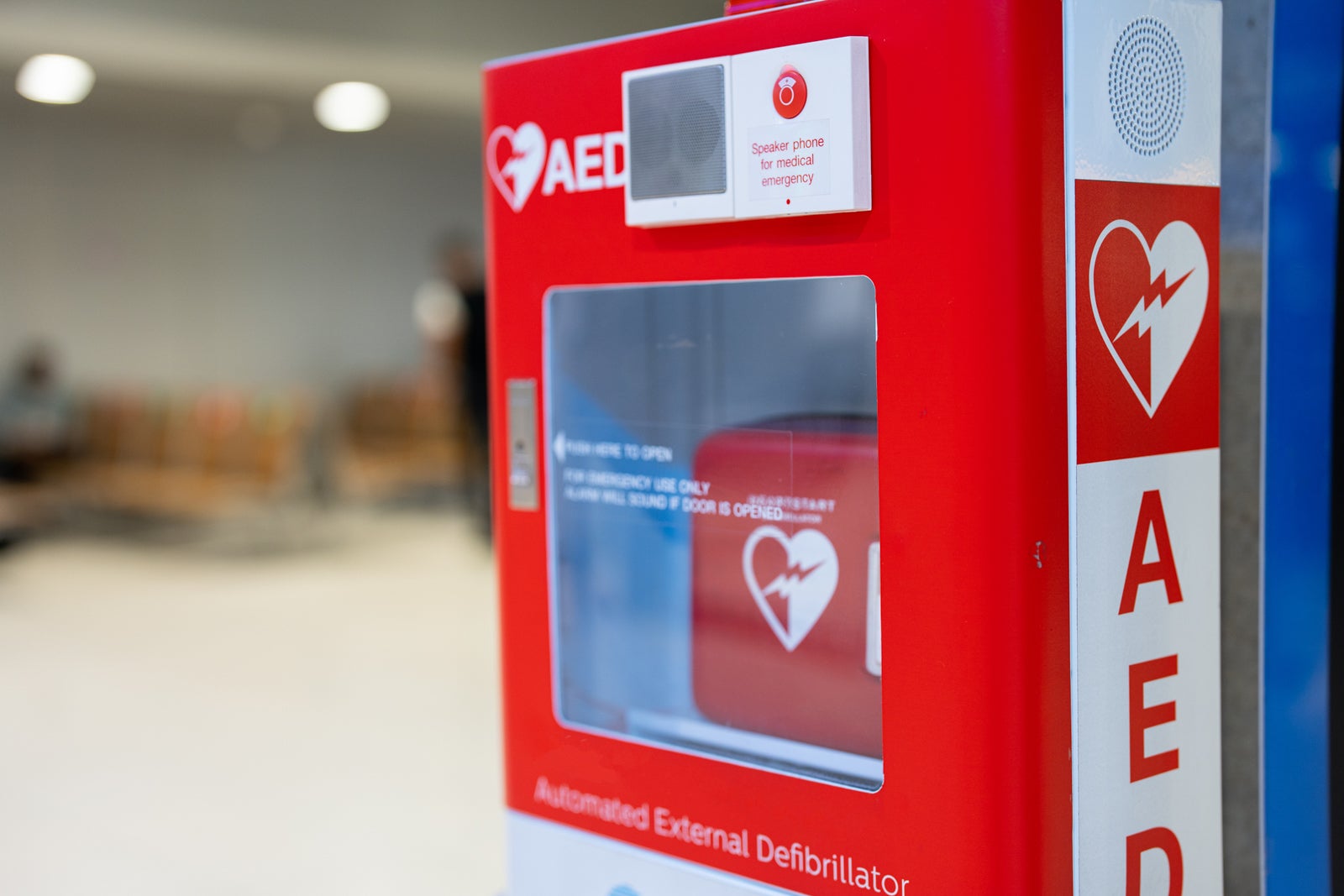
If you or a travel companion has heart issues, it could be worth investing in St. John Ambulance's Pocket AED, which is roughly the size and weight of a can of soda. This device doesn't come cheap at around $1,400, but considering the 90% mortality rate for out-of-hospital cardiac arrest victims, it could be a true lifesaver.
Bottom line
Ready to pack your own travel first-aid kit? You can purchase travel-size portions of common remedies, or get a pill container and refill it from your larger bottles at home (this one comes with pre-printed labels).
Alternatively, you can purchase a pre-packed first-aid kit designed for travel; consider a waterproof option if you'll be spending lots of time at the beach.
Editorial disclaimer: Opinions expressed here are the author’s alone, not those of any bank, credit card issuer, airline or hotel chain, and have not been reviewed, approved or otherwise endorsed by any of these entities.
from The Points Guy Articles https://ift.tt/ahAZnq6



0 comments